New technology arrives as a promise — new tools, new ways of working. I make it deliver: practical, production-grade work shaped to the ground truth of a company’s landscape, goals, and resources, and teams built to keep delivering long after the demo ends.
10 MM
FUNCTION
◂◂// 01
01 / The Function
Promises don’t ship themselves. New platforms rarely lose on capability. They lose in the gap between a brilliant demo and a customer’s production line — where someone has to understand the pressures and motivations on both sides of the table, speak build and business in the same meeting, and hold trust through the hard middle until a pilot becomes a habit. That gap is my work. I’ve run it from both sides: inside the platform company serving its most demanding customers, and inside the customer’s world shipping with the platform’s tools. Either way the job is the same — design it, build it, and defend it in the room where the renewal gets decided.
Creative
Came up inside elite, high-pressure agency creative departments. I understand the people who make the work — their pressures, their motivations, their bar.
Technical
Toyota’s Virtual Garage to Epic’s enterprise front line. Real-time 3D shipped under production constraints — hands still on the tools daily.
Business
Ran the P&L. I understand what adopting new technology actually costs a business mid-production — and what makes it worth it.
RECORD
◂◂// 02
02 / The Record
8yrsbuilt and led Epic’s enterprise TAM group
35+car models shipped with Unreal Engine HMI
1→40person profit center grown from a single 3D/VR role
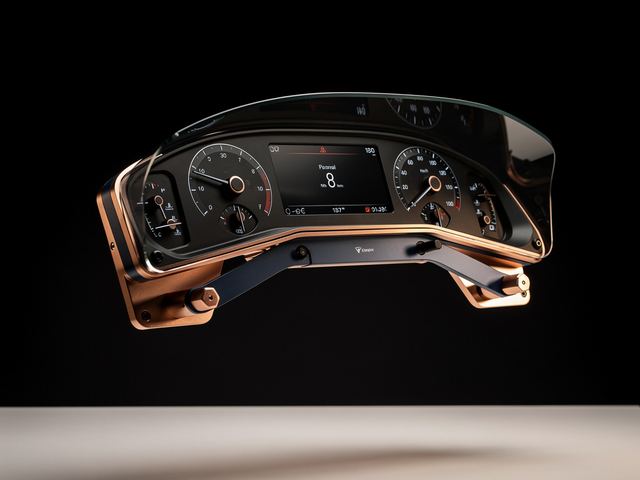
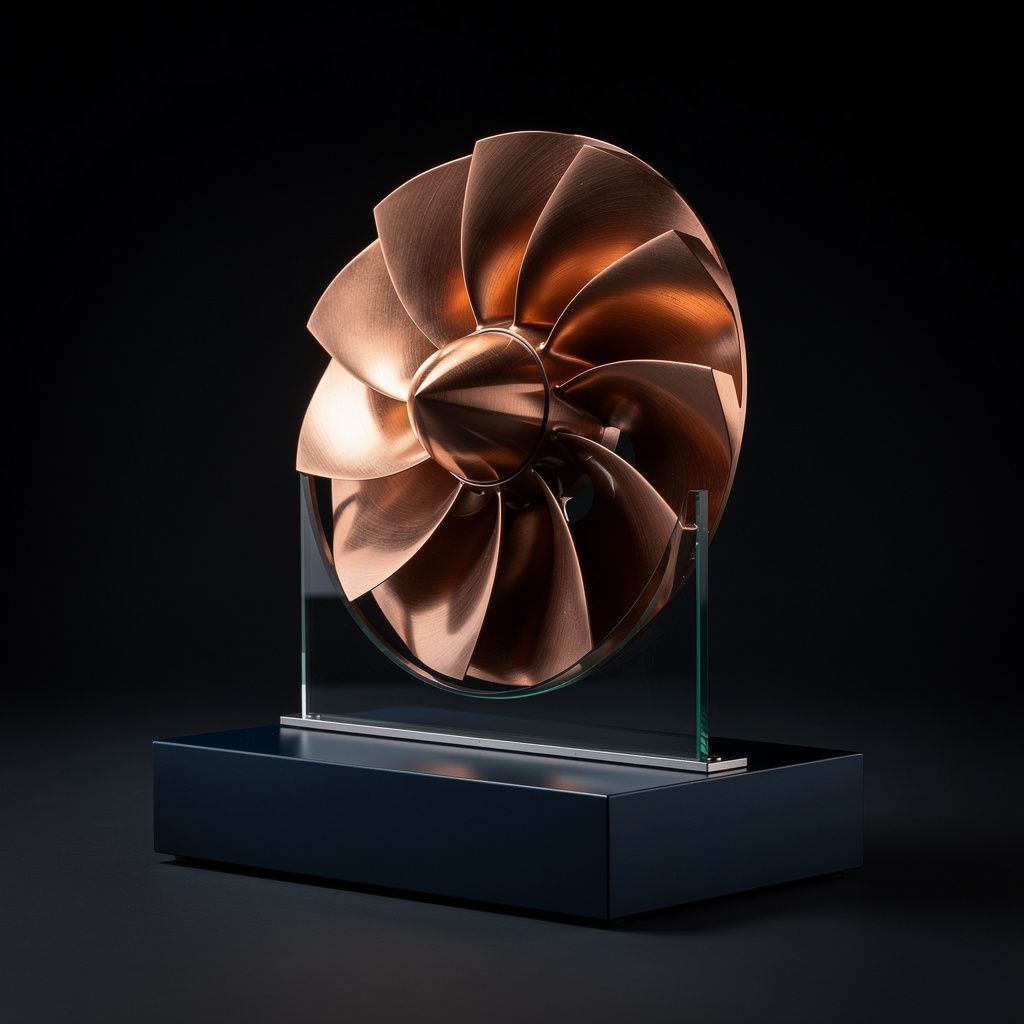
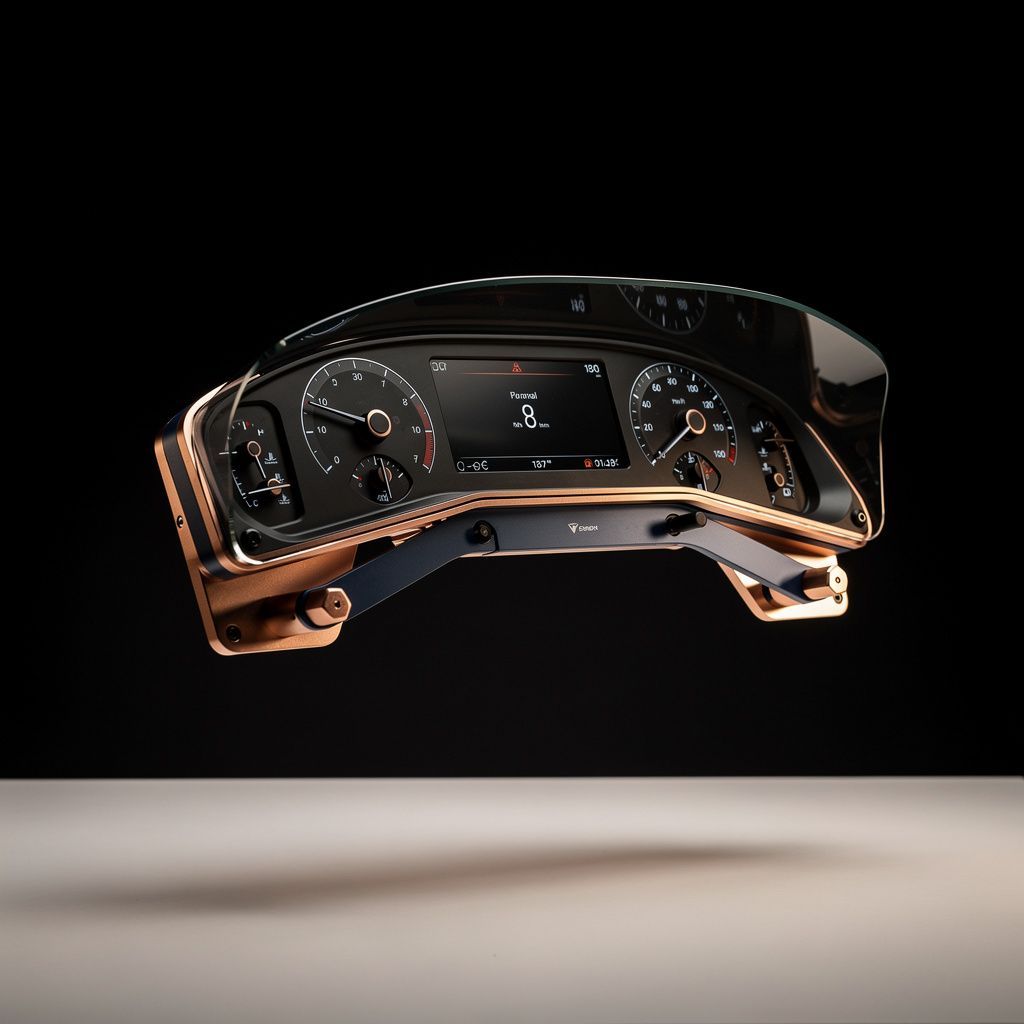
Shown as concept. The originals shipped under NDA.
Net REC.01 — 02 · The Record
Epic Games
Eight years building and leading Epic’s enterprise Technical Account Manager group — the front line between Unreal Engine and the companies betting real production on it. Inside the platform company, serving its most demanding customers.
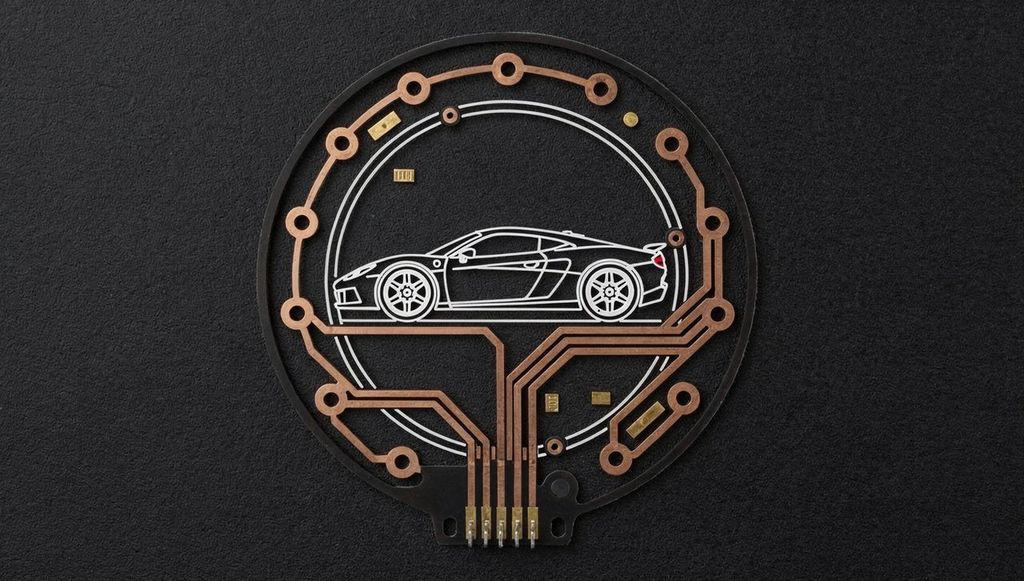
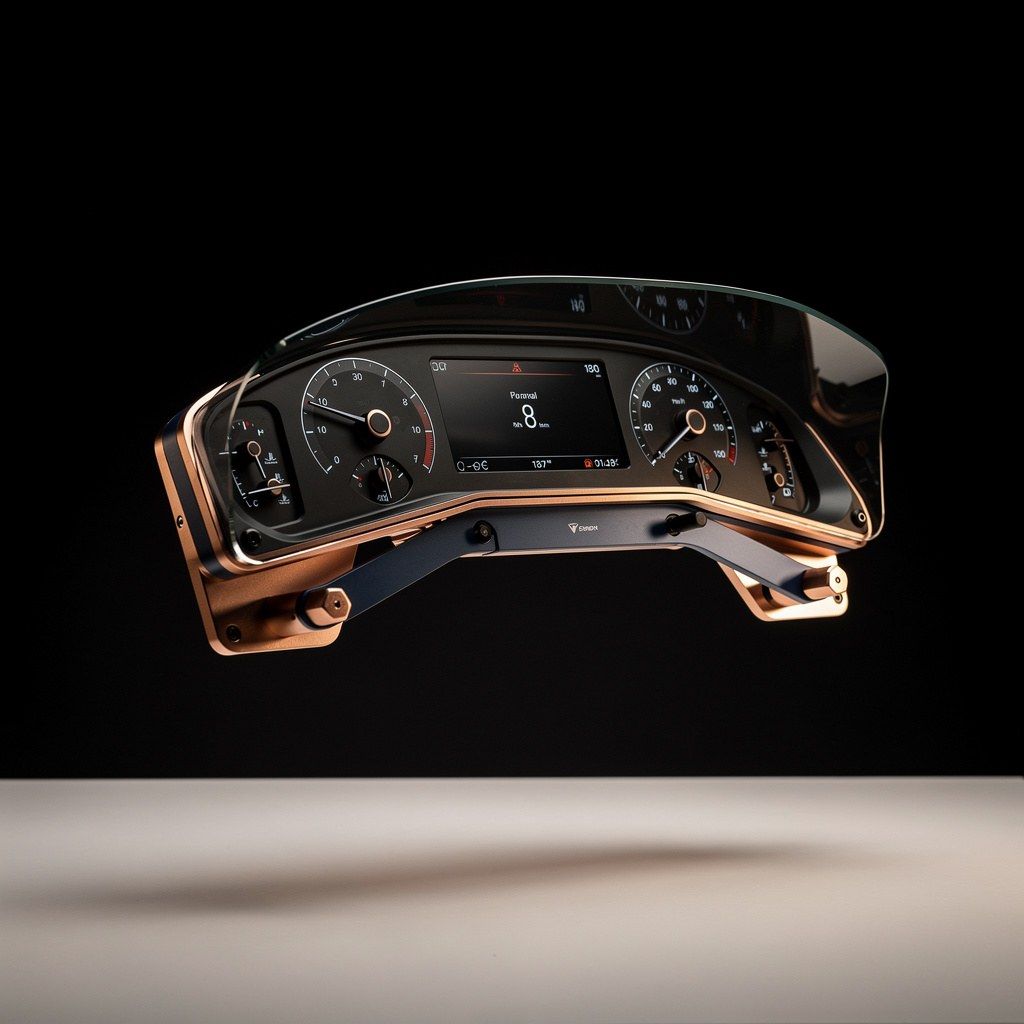
Unreal Engine instrument clusters and cabin interfaces shipped in production cars — real-time 3D held to automotive production constraints, on the dashboard and on the road.
A single 3D/VR role grown into a 40-person profit center — the real-time and virtual production group behind Toyota and Lexus work, run with agency pressure and a P&L.
Unreal Engine was leaving the games industry — for factories, studios, design floors, and broadcast trucks. Someone had to stand where the platform met its most demanding enterprise customers, and stay there. I built that function: Epic’s enterprise technical account management group, from first hire to standing practice.
Eight years on the front line of adoption — designing the engagement, holding trust through the hard middle between pilot and production, and defending the work in the room where the renewal gets decided.
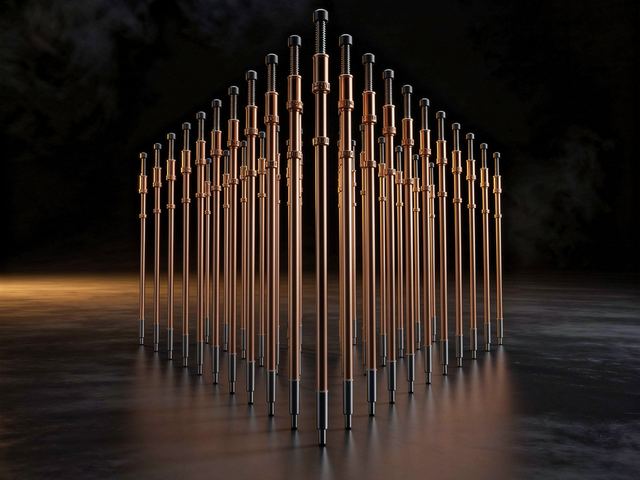
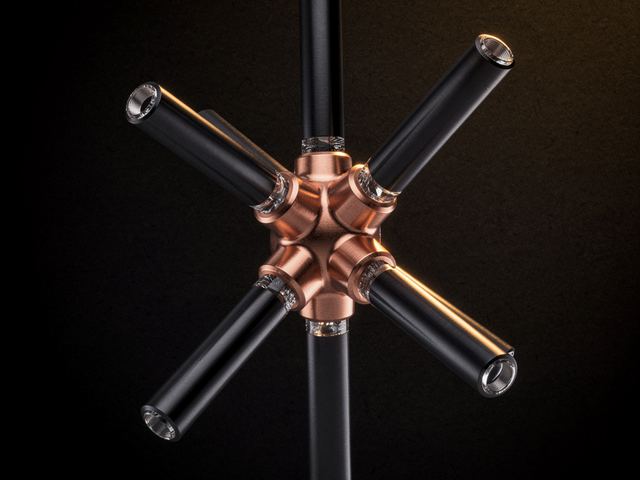
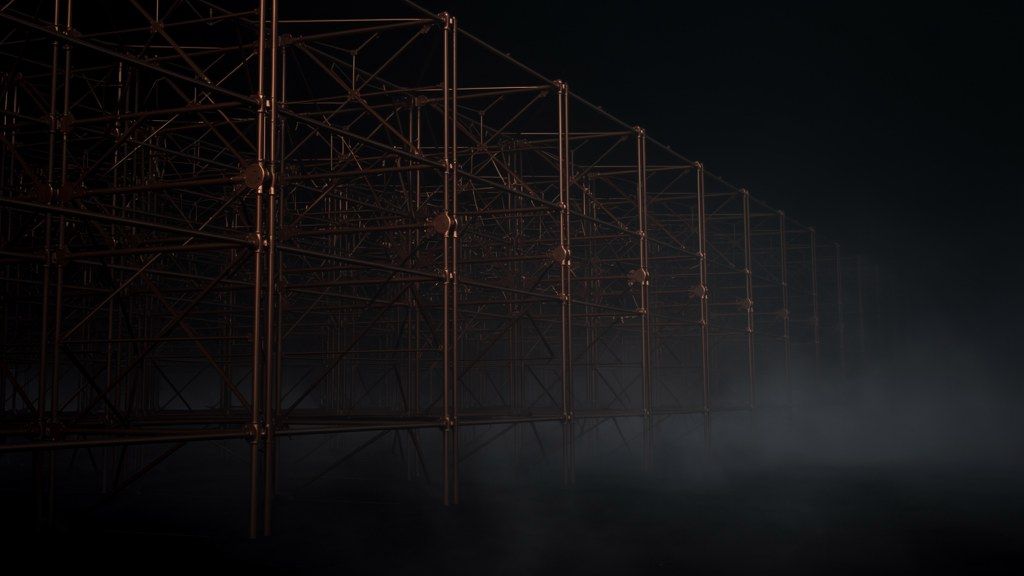
fig. 1 — platform at enterprise scale: structure resolving out of the dark.
8yrson the enterprise front line
0→1TAM group built and led
2017–25Unreal Engine, enterprise
Record REC.01 · on permanent display
Record REC.02 · The Record
Automotive HMI
35+ CAR MODELS · UNREAL ENGINE IN THE DASHBOARD
Real-time engines were a promise to the car industry: one graphics stack from design review all the way to the dashboard itself. I worked the gap between that promise and start-of-production — Unreal Engine running as the human-machine interface in shipping vehicles.
35+ car models shipped with UE-based HMI across the programs I supported. Production constraints, safety sign-off, tier-one integration — the unglamorous middle where a demo becomes a habit.
Hired as a single 3D/VR generalist inside Toyota’s agency; left having grown that seat into a 40-person profit center — building Toyota’s Virtual Garage and shipping work for Toyota and Lexus.
Ran it as a business, not a lab: hiring, pipeline, and the P&L. That’s where I learned what adopting new technology actually costs a company mid-production — and what makes it worth it.
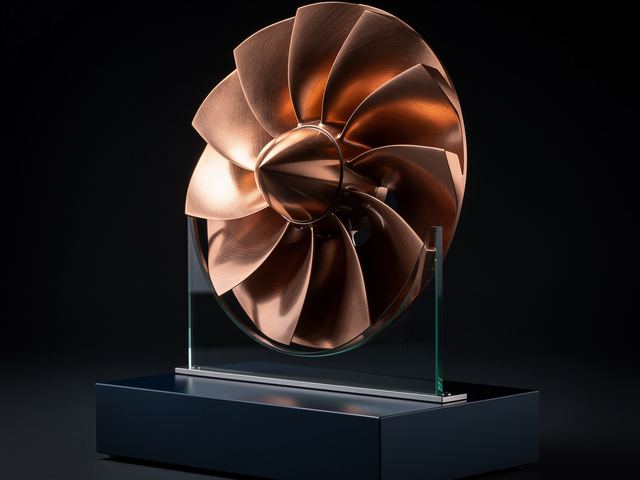
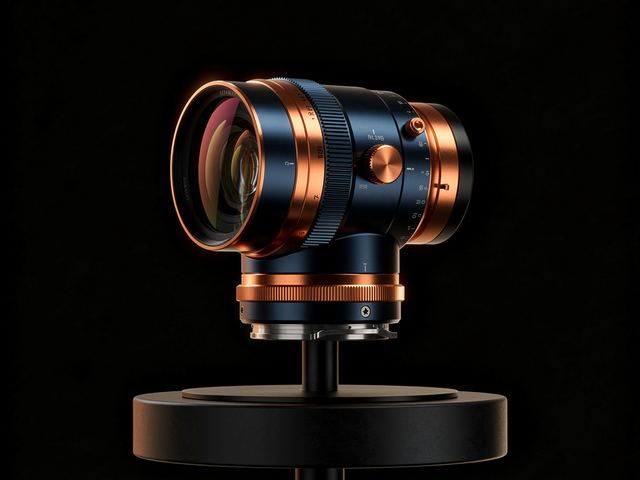
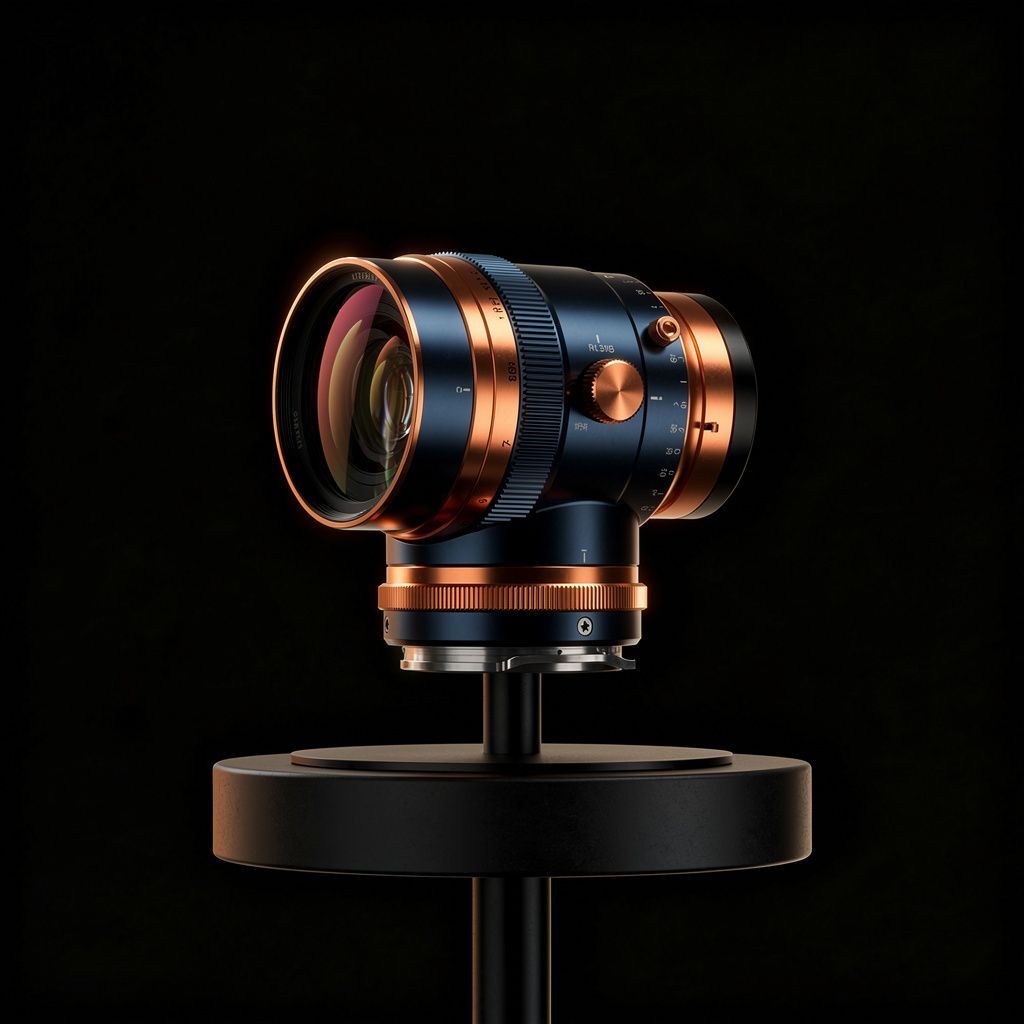
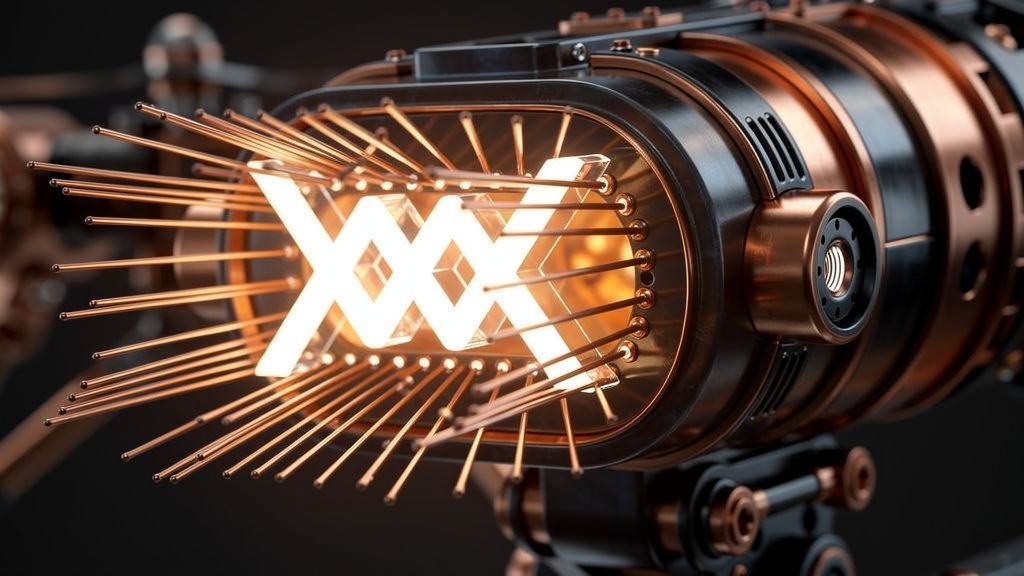
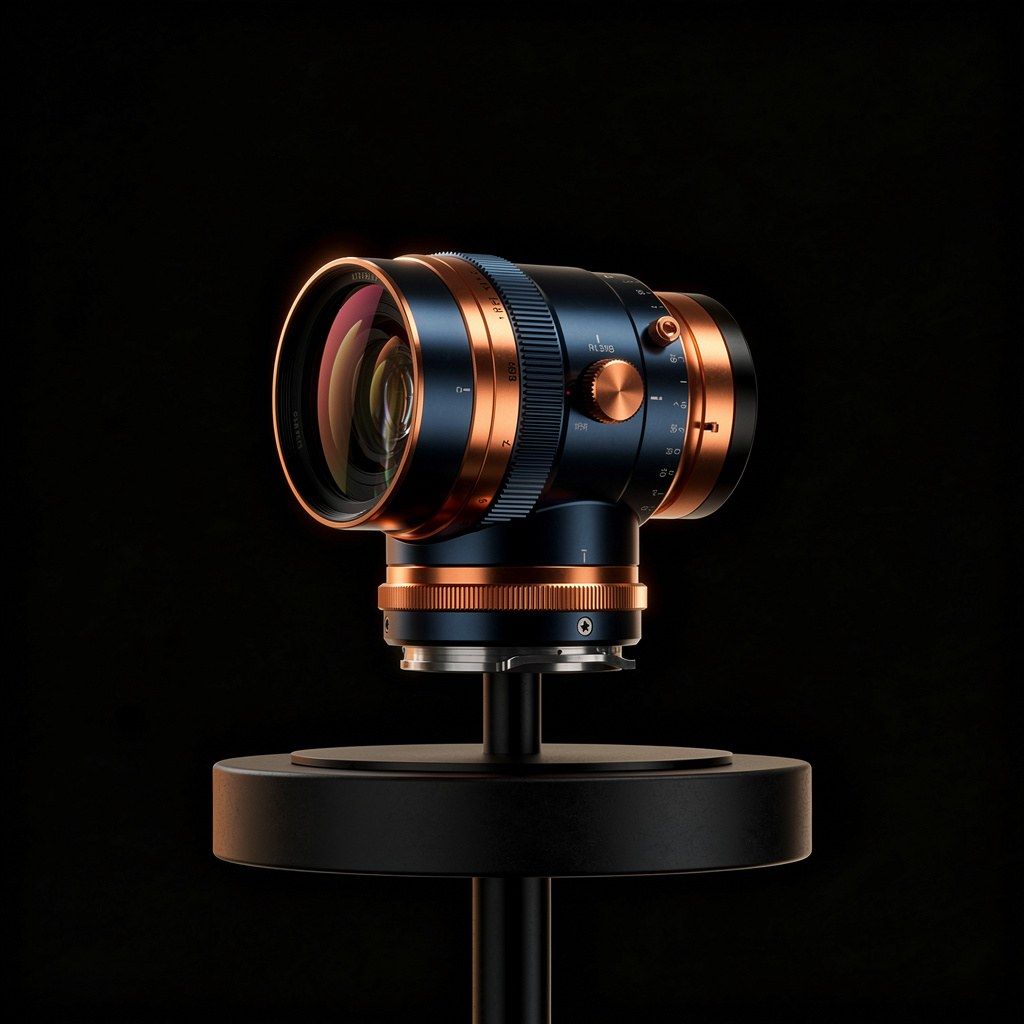
fig. 1 — the craft side of the ledger: optics, specimen render.
1→40person profit center
P&Lowned and grown
2marquesToyota · Lexus
Record REC.03 · on permanent display
Record REC.04 · The Record
AI at Scale
CURRENT · PIPELINES · COMFYUI · CAPTURE-TO-ENGINE
The same gap, new technology. Generative AI arrives as a demo and stalls the same way real-time 3D once did. I run the current stack hands-on — ComfyUI pipelines, capture-to-engine workflows, agent orchestration — as production systems, not experiments.
The bet is the one it’s always been: taste plus infrastructure. Directed systems that hold a bar, on hardware I own, shaped to real production constraints.
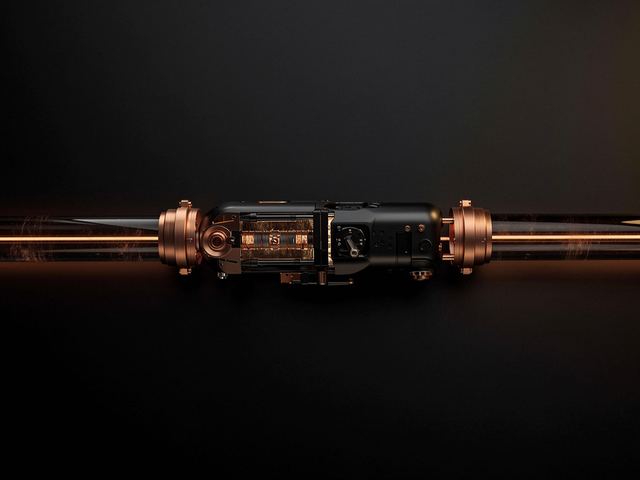
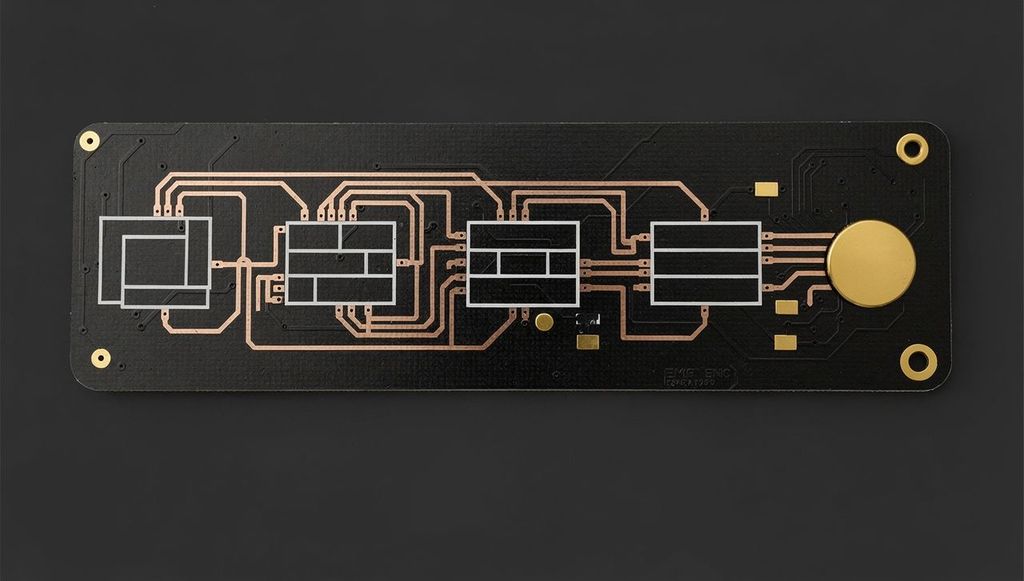
fig. 1 — long exposure of a pipeline: many threads, one output.
Localfirst — owned hardware
Directedsystems, not prompt roulette
Prodconstraints, real deliverables
Record REC.04 · acquisition ongoing
Net EXP.01 · Experiments
Capture → Engine
ACTIVE · LIDAR IN, REAL-TIME OUT
A capture-to-engine pipeline turning large-scale LiDAR scans into production-ready real-time environments — raw point clouds in, engine-clean geometry out.
Current focus: throughput and repeatability. The path from field capture to engine should be a system, not a heroic one-off.
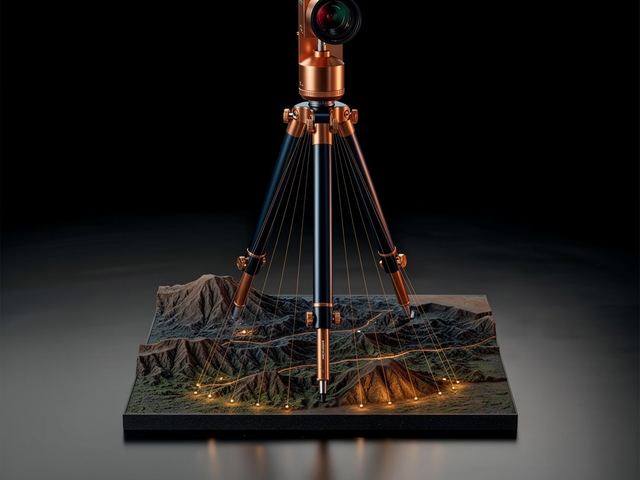
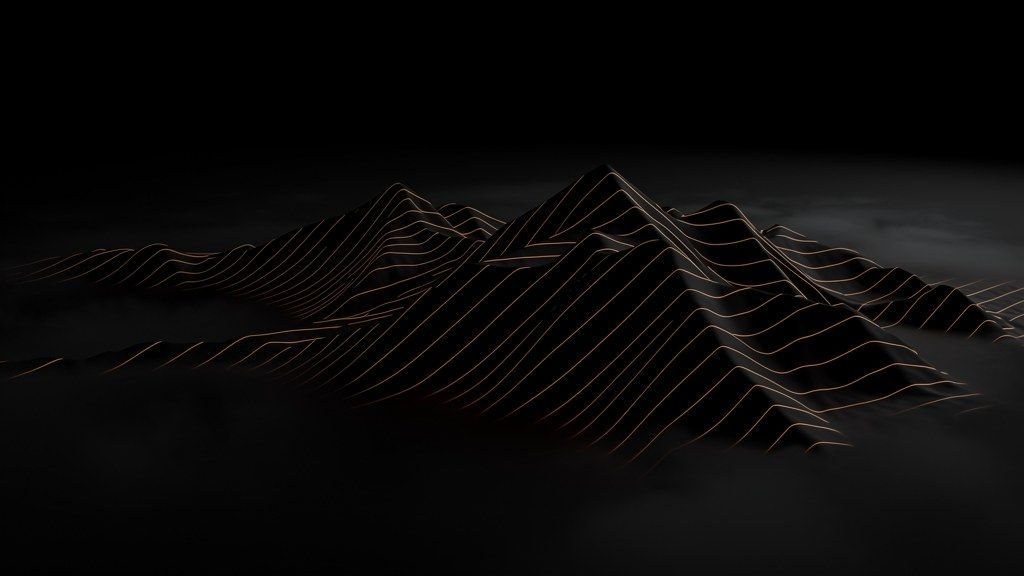
fig. 1 — terrain resolved line by line out of the dark.
Bench log · EXP.01 · live
Net EXP.02 · Experiments
Directed Generative Imaging
ACTIVE · MODEL-AGNOSTIC, TASTE-DRIVEN
Generative imaging run as a directed system — model-agnostic, taste-driven. The models change monthly; the direction doesn’t.
Local-first on owned hardware, tuned pipelines over prompt roulette. The output has to survive a professional bar, not a feed.
fig. 1 — a structure emerging from fog: directed, not found.
Bench log · EXP.02 · live
Net EXP.03 · Experiments
Agent Orchestration
ACTIVE · PRODUCTION PIPELINES
Testing agent orchestration for production pipelines: which work can be delegated to autonomous systems, and what supervision structure keeps the output at a professional bar.
Early, deliberately — small crews of agents on real tasks. The same discipline as building a team, applied to software.